
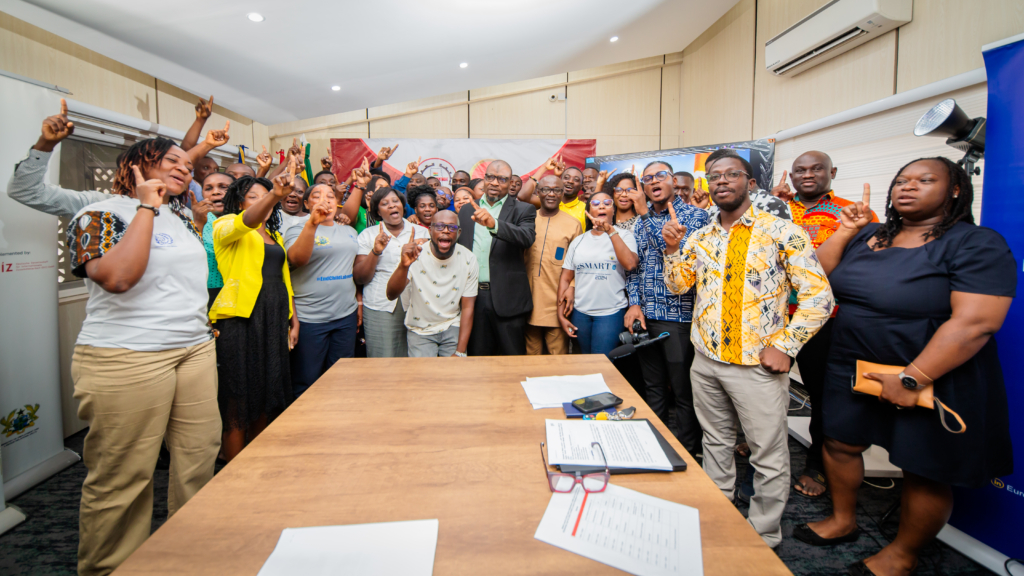
Ghana is often heralded as the “Gateway to Africa,” and for good reason. As the host of the African Continental Free Trade Area (AfCFTA) Secretariat and one of the most stable democracies on the continent, it has become a magnet for Foreign Direct Investment (FDI). However, for many international firms, the transition from “market entry” to “operational success” hinges on one critical factor: the people.
Successfully managing a workforce in Ghana requires more than just a standard HR manual. it demands a blend of legal compliance, cultural intelligence, and strategic deployment. In this definitive guide, we explore the nuances of the Ghanaian labor market and why GroConsult Workforce Management Support is the essential partner for turning human capital into a competitive advantage.
1. The Ghanaian Labour Landscape: Opportunities and Realities
Ghana boasts a young, vibrant, and increasingly educated workforce. With a median age of approximately 21 years, the “demographic dividend” is ripe for the taking. But what does this mean for an investor?
A Multilingual, Skilled Talent Pool
Unlike many of its neighbors, Ghana is English-speaking, which drastically reduces the communication barrier for global firms. The country has made massive strides in Technical and Vocational Education and Training (TVET) and tertiary education, producing a steady stream of engineers, IT specialists, and business professionals.
The Economic Context
While sectors like Mining, Oil and Gas, and Cocoa have traditionally dominated, there is a massive shift toward Agribusiness, ICT, and Manufacturing. Understanding which sector your labor needs fall into is the first step in crafting a deployment strategy.
2. Navigating the Legal Framework: The Labour Act, 2003 (Act 651)
For any foreign investor, the Ghanaian Labour Act is the bible of employment. It is a robust document designed to protect both the employer and the employee, but its nuances can be a minefield for the uninitiated.
Key Pillars of Act 651:
- Contracts of Employment: Any employment exceeding six months must be backed by a written contract.
- Termination and Severance: Ghana has specific “Fair Termination” laws. Abrupt layoffs without following due process can lead to costly litigation.
- Leave Entitlements: Employees are entitled to a minimum of 15 working days of paid annual leave after one year of continuous service.
- Social Security (SSNIT): Employers must contribute 13% of an employee’s basic salary to the Social Security and National Insurance Trust (SSNIT), while the employee contributes 5.5%.
The GroConsult Advantage: Navigating these legalities requires precision. GroConsult ensures that every contract, payroll deduction, and termination process is 100% compliant, shielding foreign investors from legal liabilities.
3. Labour Deployment Models: Finding Your Fit
How should you structure your workforce? Depending on your business model, one of these three deployment strategies usually works best:
A. Direct Hiring
This involves setting up a full legal entity and an in-house HR department. It offers maximum control but involves high overhead costs and complex administrative burdens.
B. Professional Employer Organization (PEO) & EOR
For investors who want to “test the waters” without setting up a full legal entity immediately, the Employer of Record (EOR) model is revolutionary.
- How it works: GroConsult hires the employees on your behalf. They handle the payroll, taxes, and compliance, while you manage the employees’ day-to-day tasks.
- Why it’s popular: It allows for rapid market entry—often within 48 hours.
C. Labour Outsourcing
Ideal for sectors like manufacturing or construction, where high volumes of “blue-collar” or technical labor are required. Outsourcing shifts the burden of recruitment and management to a specialized partner.
4. The Art of Workforce Engagement in Ghana
Engagement is the “secret sauce” of productivity. In Ghana, engagement is deeply tied to culture, community, and respect.
Cultural Nuances: The “High-Touch” Approach
In Western markets, professional life and personal life are often strictly bifurcated. In Ghana, they bleed into each other.
- Social Fabric: Acknowledging an employee’s family milestones (weddings, funerals, naming ceremonies) is not just a courtesy—it is a vital part of building loyalty.
- Hierarchy and Communication: While Ghanaians are generally polite and respectful of hierarchy, creating an “Open Door” policy encourages the flow of ideas from the bottom up.
Incentivizing Beyond the Paycheck
While competitive salaries are important, top talent in Ghana looks for:
- Health Insurance: Private medical insurance for the employee and their nuclear family.
- Professional Development: Opportunities for international training or certifications.
- Transport Allowances: Given the traffic challenges in cities like Accra and Kumasi, providing a commute allowance or staff bus is a major retention tool.
5. Managing Unions and Industrial Relations
Ghana has a strong tradition of organized labor. The Trades Union Congress (TUC) and various sector-specific unions (like GNAT for teachers or GHACOE for tech) play a significant role.
Proactive Harmony
Instead of seeing unions as adversaries, successful investors view them as stakeholders.
- Collective Bargaining Agreements (CBAs): Establishing a clear CBA early on prevents future friction.
- Dispute Resolution: The National Labour Commission (NLC) is the primary body for settling disputes. However, having a partner like GroConsult means most issues are resolved through internal mediation before they ever reach the NLC.
6. GIPC Requirements and Expatriate Quotas
Foreign investors must register with the Ghana Investment Promotion Centre (GIPC). One of the most critical aspects of this registration is the Automatic Immigrant Quota.
- The Quota System: Depending on the amount of capital invested, the GIPC grants a specific number of slots for foreign employees.
- Succession Planning: The government encourages “Ghanaiansation.” This means foreign firms are expected to train local staff to eventually take over roles held by expatriates.
Expert Insight: GroConsult helps firms manage this transition, ensuring that the transfer of skills is documented and compliant with GIPC and Ghana Immigration Service (GIS) standards.
7. Why GroConsult is the “Go-To” for Every Expanding Company
Expansion is a high-stakes game. You cannot afford to get your labor strategy wrong. This is why GroConsult Workforce Management Support has become the gold standard for international firms entering the West African market.
Deep Market Intelligence
GroConsult doesn’t just provide services; they provide insights. They understand the local salary benchmarks, the competitive landscape for talent, and the evolving regulatory environment.
A Scalable Partnership
Whether you are a tech startup needing five software developers or a mining firm needing 500 technicians, GroConsult’s infrastructure scales with you. Their tech-enabled payroll and HRIS systems ensure that as you grow, your administrative burden stays flat.
Risk Mitigation
From the “Ghost Names” on payrolls that plague large organizations to the nuances of the “Ghana Card” verification, GroConsult acts as your first line of defense against fraud and non-compliance.
8. Step-by-Step Guide: Engaging Ghana’s Labour Market
If you are an investor looking to start tomorrow, follow this checklist:
- Define Your Entity Status: Will you register locally or use an EOR/PEO model via GroConsult?
- Benchmark Salaries: Ensure your compensation packages are competitive but sustainable within the local context.
- Draft Robust Contracts: Ensure they are compliant with Act 651—no exceptions.
- Set Up Statutory Registrations: Register with SSNIT and the Ghana Revenue Authority (GRA) for PAYE taxes.
- Identify a Local Partner: Engage a firm like GroConsult to handle the “groundwork” of recruitment and day-to-day HR.
FAQs: Navigating the Ghanaian Workforce
Q1: What is the typical probation period in Ghana?
There is no fixed statutory period, but 3 to 6 months is the industry standard. This must be clearly stated in the employment contract.
Q2: Can I pay my Ghanaian employees in US Dollars?
While you can benchmark salaries in USD, the Bank of Ghana regulations generally require that local employees be paid in Ghana Cedis (GHS).
Q3: What happens if an employee is non-performing?
Under Act 651, you must provide the employee with warnings and an opportunity to improve. Documentation is key. GroConsult specializes in managing these performance-based exits legally.
Q4: Is it hard to find specialized technical talent?
No, but competition is high. Many investors find that partnering with a recruiter who has a deep local network (like GroConsult) is the only way to find top-tier candidates who aren’t actively looking on job boards.
Q5: How does the “13th-month” bonus work?
A 13th-month bonus is not a legal requirement in Ghana, but it is a very common and highly valued practice among top-tier employers.
Conclusion: Seizing the Ghanaian Opportunity
Ghana offers an incredible landscape for growth, innovation, and profit. But your success is only as strong as the team you build and how you manage them. By understanding the legal requirements, embracing the cultural nuances, and deploying your labor strategically, you can mitigate risk and maximize ROI.
Don’t leave your most valuable asset—your people—to chance.
GroConsult Workforce Management Support is ready to be your local engine of growth. Whether you are navigating the complexities of the Labour Act or looking for a rapid-entry EOR solution, we are the experts you can trust.