
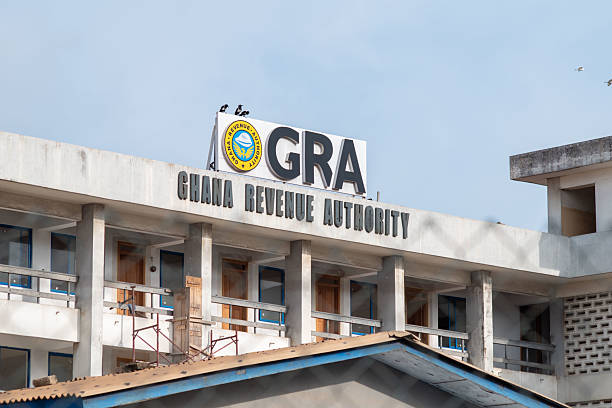
For many years, the bustling aisles of the Mallam Atta market have been the heartbeat of Accra’s local economy. Yet, for the hardworking women behind the stalls, the word “tax” often felt like a distant, intimidating concept reserved for large corporations in high-rise buildings. How can a market woman selling tomatoes or textiles see herself as a vital contributor to national development? And more importantly, how can she navigate the tax system without fear of complex paperwork or heavy sanctions?
The Ghana Revenue Authority (GRA), in a strategic partnership with the Society of Women in Taxation (SWIT), recently bridged this gap. By launching an intensive tax sensitization program directly on the market floor, they didn’t just talk at the women—they engaged with them. This initiative marks a pivotal shift in how Ghana approaches the informal sector, moving from enforcement to empowerment.
Why the Informal Sector is Ghana’s Secret Revenue Engine
The statistics are impossible to ignore. According to Esi Sam, President of SWIT, the informal sector—largely dominated by women—constitutes approximately 69.7% of Ghana’s population. Despite this, it remains one of the most under-taxed segments of the economy.
Bringing market women into the tax net isn’t just about collecting revenue; it’s about financial inclusion. When a woman is tax-compliant, she gains a “tax footprint” that can help her:
- Access formal credit and bank loans.
- Secure government grants and SME support.
- Participate in official trade exhibitions.
Breaking Down the Income Tax Act: What You Need to Know
During the sensitization, Commissioner-General of GRA, Julie Essiam, emphasized the legal framework that every trader should understand. Ignorance of the law, as the saying goes, is no excuse—but education is the best remedy.
The 4-Month Rule
Under the Income Tax Act 2015 (Act 896) and the Revenue Administration Act 2016 (Act 915), all taxpayers are required to file their annual returns within four months of the beginning of the following year. For most, this means the deadline is April 30th.
The 2026 “Year of Compliance”
As of April 2026, the GRA has intensified its “Year of Compliance” agenda. The authority has set a bold revenue target of GH₵230.13 billion, a massive leap intended to fund critical infrastructure. Every cedi contributed by a market woman goes directly toward:
- Building better roads for transporting goods.
- Improving sanitation in markets.
- Providing free quality healthcare and education for their children.
The New Digital Frontier: The “Modified Taxation Scheme” (MTS)
One of the biggest hurdles for market women has been the “stress” of visiting a tax office. Edward Apenteng Gyamera, Commissioner-General in charge of Domestic Tax Revenue, introduced a game-changer: the Modified Taxation Scheme (MTS) and the MTS Taxpayer’s App.
This system is designed specifically for small businesses with annual turnovers below certain thresholds.
How it Works (The 3-Tier System)
| Category | Eligibility (Annual Sales) | How You Pay |
| Presumptive Tax (PTI) | Up to GH₵20,000 | A small, fixed amount based on your business type. |
| Turnover Tax (PTT) | GH₵20,000 – GH₵500,000 | A flat 3% rate on your total sales. |
| Modified Cash Basis | Over GH₵500,000 | Tax on actual profit (Sales minus Expenses). |
No More Queues: The Power of *880#

Taxpayers can now register, file returns, and pay via:
- The MTS App: A user-friendly mobile application.
- USSD Code: Dialing *880# on any mobile network to pay via Mobile Money (MoMo).
- Ghana Card Integration: Your Ghana Card PIN now serves as your Taxpayer Identification Number (TIN).
Actionable Tips for Market Women and Small Traders
To ensure a smooth transition into tax compliance, traders should adopt these simple habits:
- Keep a Sales Diary: Write down what you sell every day. This makes it easier to calculate your turnover at the end of the year.
- Separate Business from Personal Money: Use a separate MoMo account or bank account for your stall’s earnings.
- Join a Trade Association: The GRA often works through associations (like the GUTA or Market Queens) to provide group support.
- Ask for Guidance: Don’t wait for an audit. Visit a Taxpayer Service Centre (TSC) or talk to SWIT representatives for free advice.
Voices from the Ground: “Utilize the Money Wisely”
The engagement wasn’t a one-way street. The women at Mallam Atta market were vocal about their expectations. While they expressed appreciation for the education, their message to the government was clear: transparency.
“We are willing to pay, but we want to see the results. Fix our market roofs and ensure our taxes don’t end up in private pockets,” one trader remarked during the Q&A session.
This dialogue is essential. By holding the GRA accountable, taxpayers ensure that the social contract—where citizens pay and the state provides—remains intact.
A Future Built on Compliance
The sensitization at Mallam Atta market is a blueprint for national development. When the GRA and organizations like SWIT empower women with knowledge and digital tools, they aren’t just collecting taxes; they are building a more resilient, self-reliant Ghana.
Main Takeaways:
- Tax filing is a legal requirement under Act 896 (Deadline: April 30).
- The 3% flat rate for turnover tax makes compliance affordable for small traders.
- Digital tools like *880# have removed the “wahala” from tax payments.
Have you tried the new GRA MTS App? Or do you have questions about how the 3% turnover tax affects your small business? Share your thoughts in the comments below, and let’s keep the conversation going!