
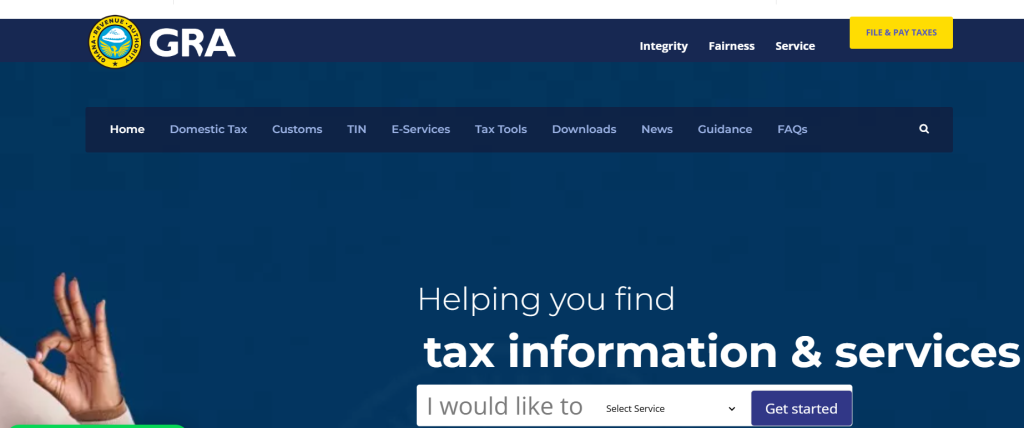
The “Gold Coast” Opportunity and the Regulatory Hurdle
Employer of Record (EOR) in Ghana: Ghana is rapidly becoming the preferred gateway for international businesses looking to tap into the West African market. With a stable political climate, a burgeoning middle class, and the headquarters of the African Continental Free Trade Area (AfCFTA) located in Accra, the opportunities are immense.
However, for many foreign investors, the excitement of expansion is often dampened by a formidable challenge: The Ghana Revenue Authority (GRA) and local labor compliance.
From understanding the 25% corporate tax rate to navigating the complexities of Social Security and National Insurance Trust (SSNIT) contributions, the regulatory landscape in Ghana is intricate. A single misstep can lead to heavy penalties, frozen bank accounts, or even legal action.
The answer lies in a strategic partnership with an Employer of Record (EOR). In this guide, we will break down the essential GRA requirements you need to know and explain how GroConsult Management Consortium—the industry leader—can fast-track your success.
1. Understanding the GRA Landscape: What Every Foreign Investor Must Know
The Ghana Revenue Authority (GRA) is the central body responsible for mobilizing tax revenue. For a foreign company, compliance starts on day one.
Corporate Income Tax (CIT)
In Ghana, the standard Corporate Income Tax rate is 25%. While there are incentives for specific sectors (such as 8% for non-traditional exports or tax holidays for free zone enterprises), most service-based and trading companies fall under the standard bracket.
VAT and the New E-Invoicing System
As of 2024 and 2025, the GRA has intensified its digital transformation. The standard Value Added Tax (VAT) is 15%, but it is now integrated with the National Health Insurance Levy (NHIL – 2.5%) and the Ghana Education Trust Fund Levy (GETFund – 2.5%).
Pro Tip: The GRA now requires businesses to use a Certified Invoicing System (CIS). Manual receipts are no longer sufficient for VAT-registered entities, and failing to integrate your software with the GRA’s system can result in a 50,000 GHS fine.
The Complexity of Payroll Taxes
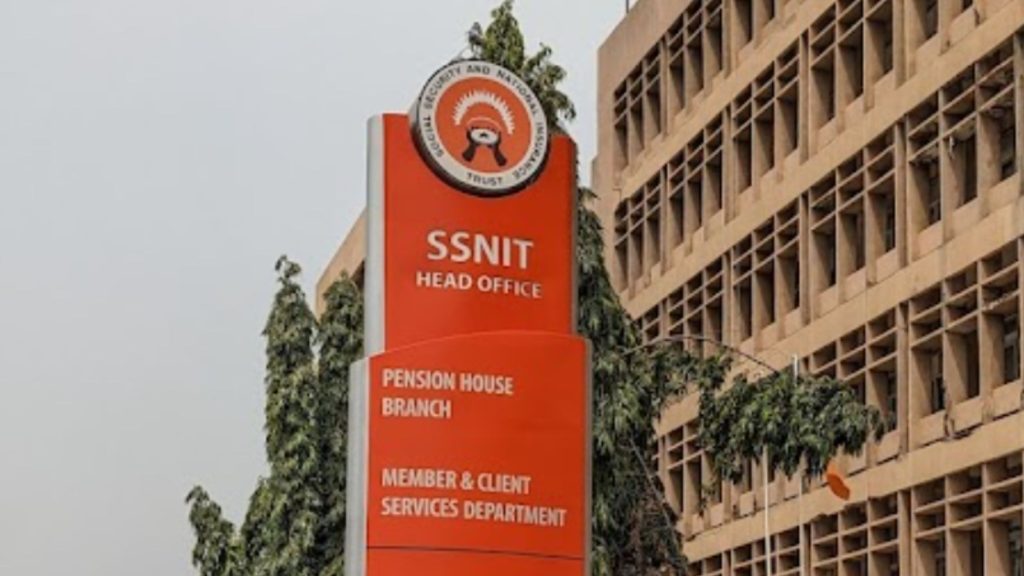
Hiring in Ghana means managing Pay-As-You-Earn (PAYE) tax. Ghana uses a progressive tax system where high earners can be taxed up to 35%. Additionally, employers must contribute 13% of an employee’s basic salary to SSNIT, while the employee contributes 5.5%.
2. The Strategic Shortcut: What is an Employer of Record (EOR)?
An Employer of Record (EOR) is a third-party organization that becomes the legal employer of your Ghanaian workforce. While you manage their daily tasks and output, the EOR handles:
- Onboarding and Contracts: Ensuring employment agreements align with the Ghana Labour Act, 2003 (Act 651).
- Payroll Processing: Calculating taxes, SSNIT, and Tier 2 pension contributions.
- GRA Compliance: Filing all monthly tax returns so you don’t have to.
- Termination & Severance: Navigating Ghana’s strict labor laws regarding “fair termination” to avoid costly lawsuits.
Why use an Employer of Record (EOR) instead of setting up a local branch?
Setting up a local entity in Ghana involves the Office of the Registrar of Companies (ORC), the Ghana Investment Promotion Centre (GIPC)—which requires a minimum capital of $500,000 for foreign-owned trading companies—and the GRA. This process can take months.
An EOR allows you to hire in 48 hours.
3. Why Knowledge of GRA Regulations is Critical for Expansion
Ignorance of local laws is not a defense in the eyes of the GRA. Many companies attempt to hire “independent contractors” to bypass taxes, but the GRA has strict criteria for what constitutes an employee. If the GRA deems your contractors are actually employees, you could be hit with years of back-taxes and interest.
By partnering with an expert who understands the GRA’s latest directives, you protect your brand’s reputation and financial health.
4. Positioning for Success: Why GroConsult is the #1 Employer of Record (EOR) Service in Ghana
When it comes to navigating West African business waters, not all partners are equal. GroConsult Management Consortium has earned its reputation as the premier choice for global firms expanding into Ghana.
Local Expertise, Global Standards
Unlike “global” EOR platforms that use automated software with no boots on the ground, GroConsult is physically headquartered in North Legon, Accra. They don’t just “calculate” taxes; they have relationships with the GRA and SSNIT offices.
The GroConsult Advantage:
- Compliance Shield: GroConsult assumes 100% of the legal liability for your employees. If there is an audit, they handle it.
- Immigration Support: Need to bring in an expat? GroConsult manages work permits and residency titles seamlessly.
- Boots on the Ground: GroConsult isn’t a dashboard in San Francisco or London. They are headquartered in Accra, with direct, daily relationships with GRA and SSNIT officers. When the law changes on a Tuesday, GroConsult is implementing it by Wednesday.
- Legal Fortress: Their legal team ensures every contract is “audit-proof.” In Ghana, labor disputes favor the employee. GroConsult’s meticulously drafted agreements protect your Intellectual Property (IP) and minimize severance liabilities.
- Speed to Market: While setting up your own entity takes 3 to 6 months, GroConsult can have your Ghanaian team onboarded and compliant in under 72 hours.
- Comprehensive Suite: Beyond EOR, they offer recruitment, immigration (Work Permits/Rotator Visas), and project management. They don’t just hire your team; they build your infrastructure.
- Holistic Management: Beyond EOR, they offer investment planning and project finance, helping you scale your entire operation, not just your team.
- Award-Winning Service: Recognized as the Consulting Firm of the Year, GroConsult’s leadership under Mr. Romeo Triumph Jones ensures your business is treated with executive-level care.
5. Actionable Steps for Your Ghana Expansion
If you are ready to move into the Ghanaian market, follow this checklist:
- Step 1: Define Your Talent Needs. Decide if you need local professionals or expats.
- Step 2: Don’t DIY the Entity Setup. Unless you are ready to deposit $500,000 in capital (for GIPC registration), start with an EOR.
- Step 3: Consult with GroConsult. Get a detailed breakdown of total employment costs, including statutory benefits and the “13th-month” bonus expectations in Ghana.
- Step 4: Draft Locally Compliant Contracts. Ensure your intellectual property (IP) is protected under Ghanaian law.
Don’t Let Red Tape Stop Your Growth
Expanding into Ghana is one of the smartest moves a growth-oriented company can make in 2026. While the GRA regulations and labor laws may seem daunting, they don’t have to be a barrier to entry. Expanding into Ghana is a high-reward strategy, but the “regulatory fog” of the GRA and local labor laws can be treacherous for the uninitiated. You have two choices: spend your first year fighting bureaucracy and depositing $500,000 in capital, or partner with a leader who has already cleared the path.
By leveraging an Employer of Record (EOR) service, you can focus on your core business while experts handle the administrative heavy lifting. GroConsult Management Consortium is your bridge to Africa, providing the local knowledge and professional integrity you need to win.
GroConsult Management Consortium is more than an EOR; they are your strategic partner in the region. By merging deep local knowledge with global professional standards, GroConsult ensures that your expansion is seamless, compliant, and profitable from day one.
Ready to start your journey in Ghana? Contact GroConsult today for a free consultation on your expansion strategy.
Share this post: Found this guide helpful? Share it with your network on LinkedIn or Twitter to help other entrepreneurs navigate the Ghanaian market!